
Heritage ·
The First Fee
How a single strongbox in Hemoglobin Hills became a model for institutional custody.
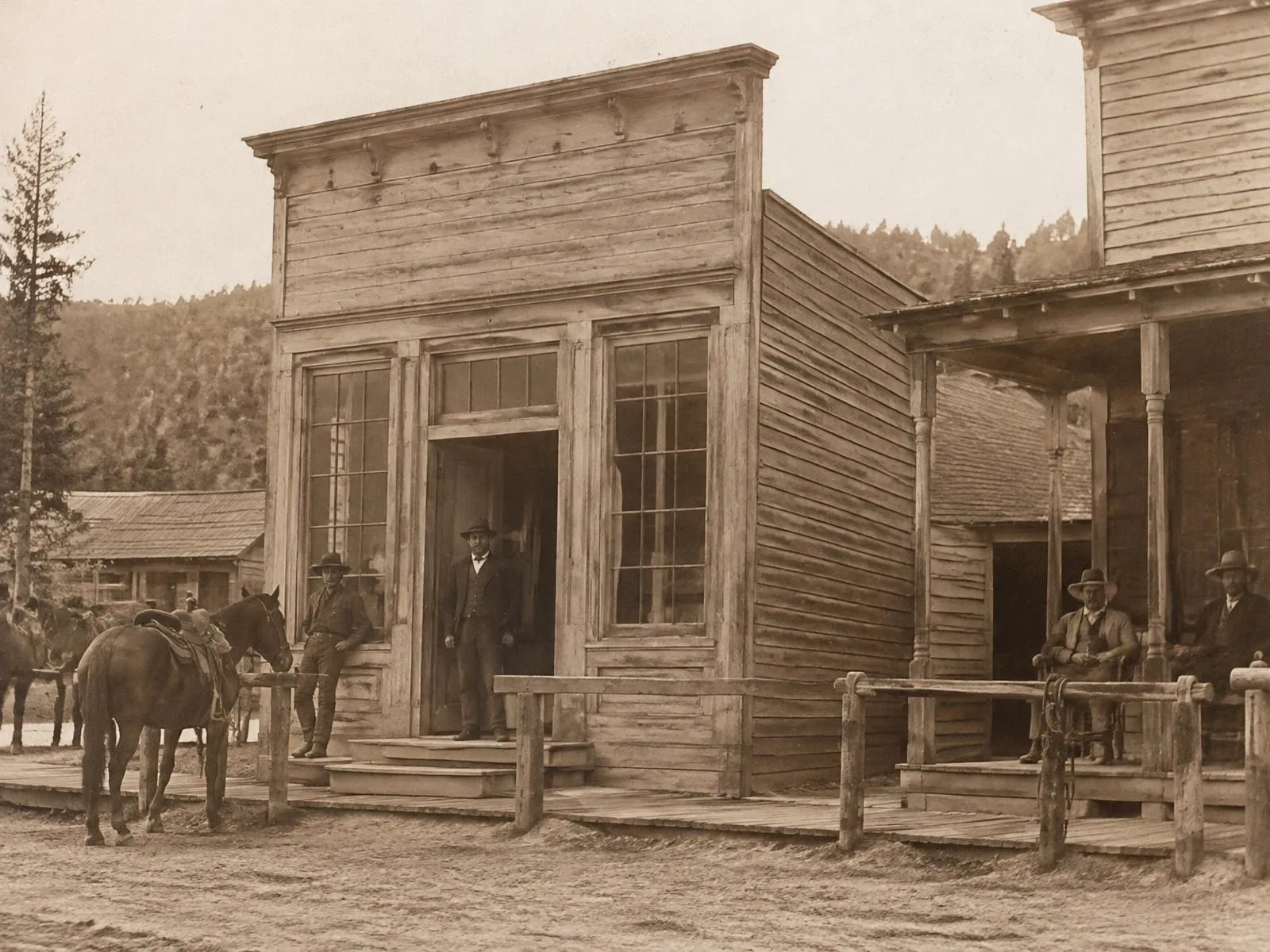
The first depositor was a miner named Abel Cray. In the spring of 1871 he walked into the new bank on main street with a leather pouch of gold dust and asked whether it would be there when he came back.
The clerk weighed it, wrote the weight in the ledger, and handed him a receipt stamped “Received for safekeeping.” Then he explained the fee: a small percentage, paid on withdrawal, for the security of the locked room.
Cray thought it was fair. Most of the town agreed. Within a year the bank held deposits for nearly every claim in the valley, and the ledger had grown a second column for storage, a third for weighing, and a fourth for the paperwork associated with the first three.
Cray returned in the autumn to withdraw his savings. The ledger shows that he left with a little less than he brought, and a clear, itemized record of why.
We tell this story to every new employee. It is a reminder that trust is built on simple things: a locked door, an honest weight, and a receipt that explains everything.
Transparency. Rates may apply.